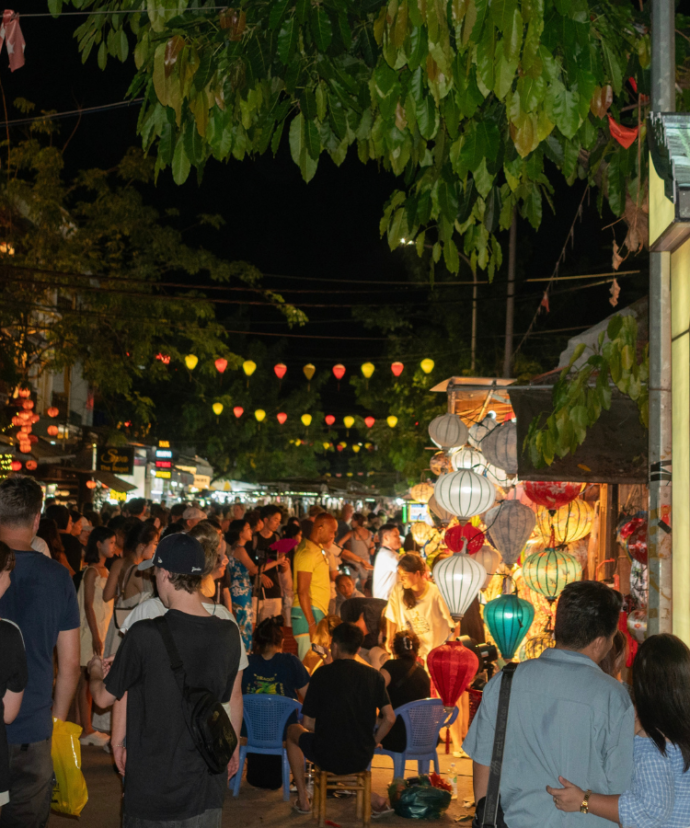
Hoi An is not only renowned for its moss-covered ancient architecture but also for its distinctive cuisine, whose rich and unforgettable flavors continue to captivate visitors. Among the many local specialties, Vietnamese Cao Lầu noodles is a dish you simply cannot miss when visiting Hoi An. More than just a bowl of noodles, it embodies generations of local culinary traditions and the cultural essence of this heritage town.
Table of Contents
Join Little Hoi An Group as we uncover the history behind Cao Lau noodles Hoi An and explore what makes this iconic dish so special.
What Is Cao Lau?
Cao Lau noodles Hoi An is a signature Hoi An dish deeply connected to the history of the town’s former trading port. Preserved by generations of local residents, it has become one of the most distinctive culinary specialties of this UNESCO heritage town.
What Is in a Bowl of Cao Lau?
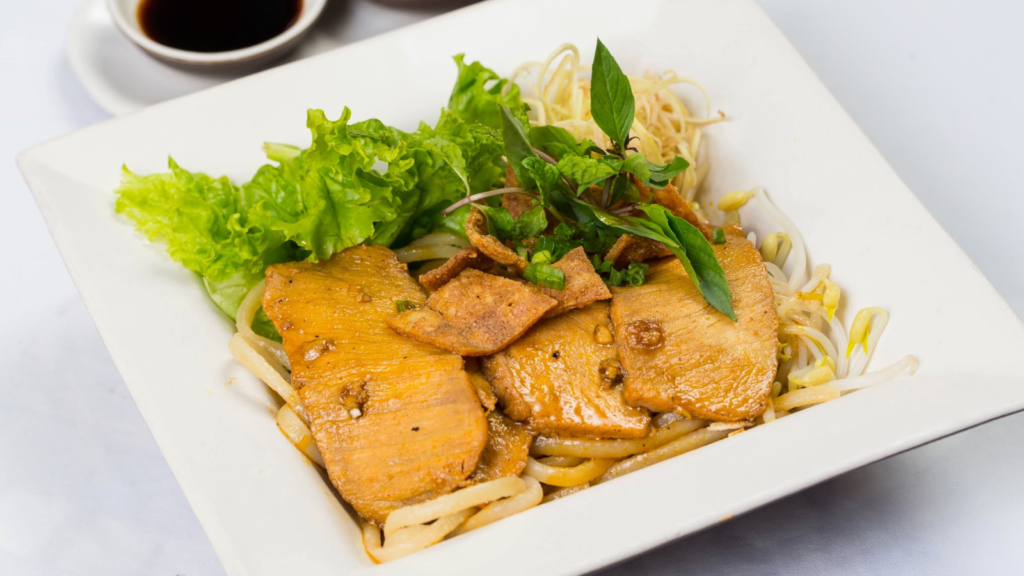
A traditional bowl of Cao Lau noodles Hoi An is made with thick, golden-yellow noodles that have a firm, chewy texture, served with a small amount of rich, savory broth and sauce.
Unlike Pho or rice noodles, Cao Lau is not served with a large quantity of broth. Instead, just enough sauce is added to coat the bottom of the bowl, allowing the noodles and other ingredients to retain their distinctive flavors.
The dish is topped with tender slices of marinated pork, whose savory aroma immediately awakens the appetite. Crispy pork skin or deep-fried square pieces of dough add a satisfying crunch, while fresh local herbs and greens bring a refreshing contrast to the rich flavors.
The combination of chewy noodles, savory pork, crispy toppings, and fragrant herbs makes Cao Lau noodles Hoi An a uniquely irresistible culinary experience.
Three Special Local Ingredients That Make Cao Lau Noodles in Hoi An Unique
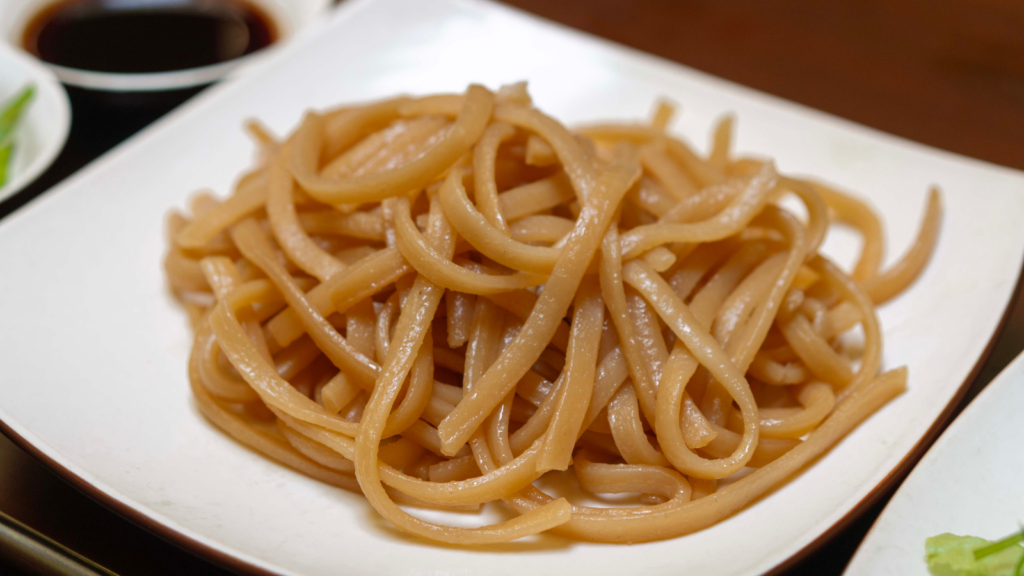
What makes Cao Lau so closely associated with Hoi An and so difficult to replicate elsewhere is its distinctive ingredients and traditional preparation methods.
According to local tradition, the water used to make Cao Lau noodles should come from the ancient Ba Le Well, a centuries-old well famous in Hoi An. This pure water is traditionally used to knead the dough and prepare the noodles, helping them maintain their characteristic texture without becoming sour or overly soft.
The second essential ingredient is the ash used to give Cao Lau noodles their naturally golden hue and subtle smoky aroma. Traditionally, noodle makers use ash made from trees found on Cham Island and mix it with water to prepare the noodles.
Every strand of Cao Lau noodles Hoi An reflects the meticulous preparation and craftsmanship of local noodle makers, as well as the use of distinctive ingredients that are not easily found elsewhere.
Finally, no bowl of Cao Lau noodles Hoi An would be complete without fresh herbs and greens from Tra Que Vegetable Village. The herbs grown here are known for their distinctive fragrance and subtly spicy flavor. Traditionally cultivated using organic farming methods for generations, these local greens add a unique character that is difficult to find anywhere else.
The careful combination of ancient well water, ash-infused water from Cham Island, and handmade noodles from Tra Que helps create the distinctive character of Cao Lau noodles Hoi An.
More than a local specialty, cao lau dish is a culinary symbol deeply connected to Hoi An’s heritage, a dish that leaves a lasting impression on visitors who experience it.
The History and Culinary Story Behind Vietnamese Cao Lau noodles
A Cultural Fusion Dating Back to the 17th Century
In the 17th century, Hoi An was a bustling international trading port where merchants from around the world came to trade and exchange goods, particularly merchants from China and Japan.
This cultural exchange contributed to the development of Hoi An’s diverse cultural identity and gave rise to a number of unique culinary traditions.
According to local stories, Cao Lau dish was inspired by a delicate combination of Japanese noodle-making techniques, reminiscent of Udon, and the rich, savory flavors of Chinese-style char siu pork. Vietnamese cooks then adapted the dish using local ingredients and flavors to suit the tastes of the people of Hoi An.
Over time, this cultural fusion evolved into the Cao Lau we know today.
What Does “Cao Lau” Mean?
The name “Cao Lau” is also believed to have originated from Hoi An’s trading-port era.
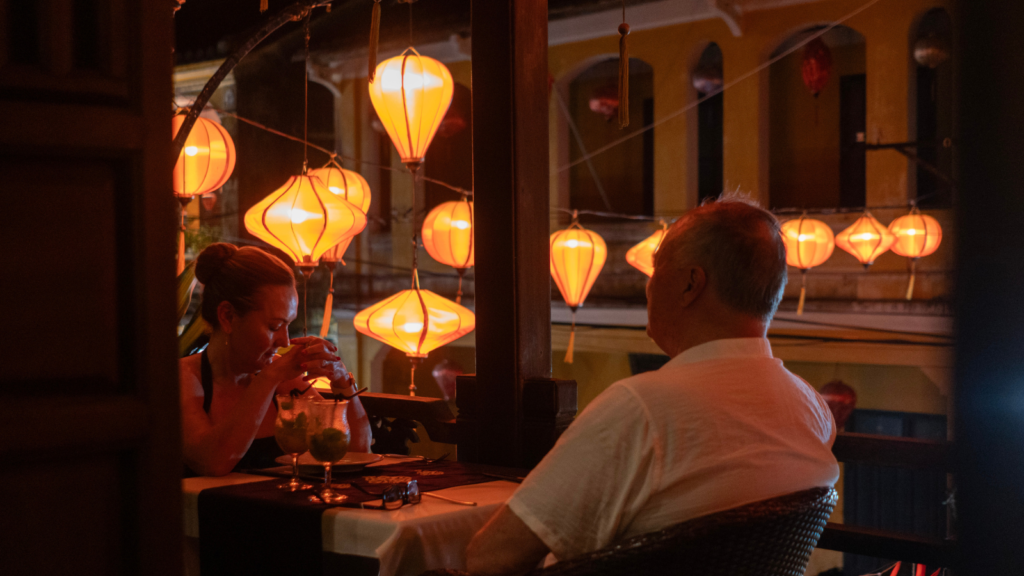
According to local stories, wealthy merchants would enjoy this dish on the upper floors of restaurants, where they could dine while keeping an eye on their goods at the bustling port below. From these elevated dining spaces, they could also enjoy views of the lively streets of the old trading town.
As the dish became associated with dining on the “high floors,” it gradually came to be known as “Cao Lau.”
Over the centuries, Cao Lau has evolved into one of Hoi An’s most iconic specialties, becoming a must-try dish for visitors from near and far.
Cao Lau and Mi Quang: What’s the Difference?
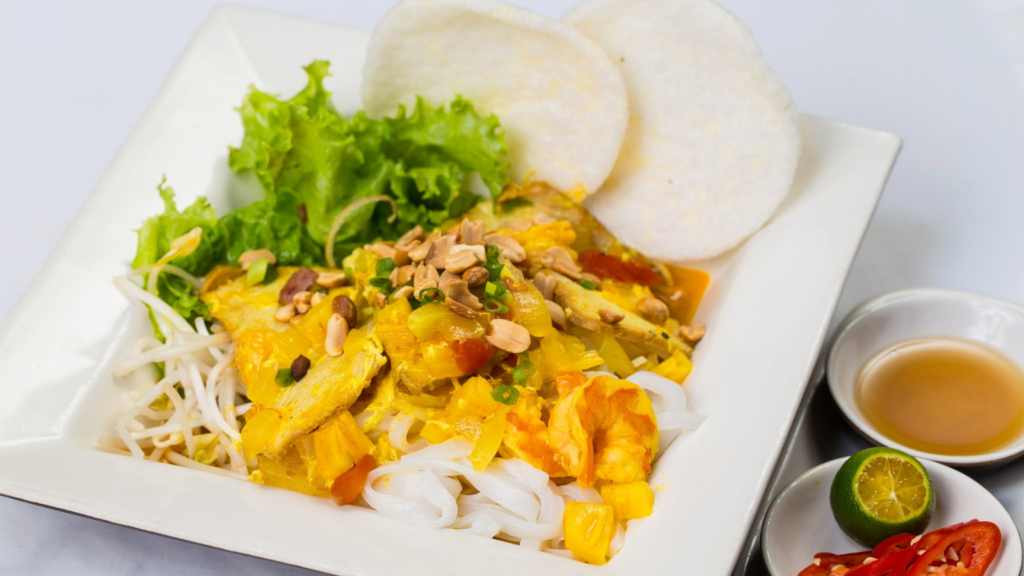
When visiting Hoi An, locals will often recommend two noodle dishes that you should definitely try: Cao Lau and Mi Quang.
Mi Quang is another beloved specialty originating from the former Quang Nam region. Unlike Cao Lau, Mi Quang is made with soft, flat noodles that are typically yellow from turmeric or sometimes white.
It is served with a flavorful broth made with ingredients such as shrimp, pork, and eggs. Mi Quang is also a beloved part of the local culinary tradition.
However, don’t confuse the two. Although both are iconic noodle dishes from Central Vietnam, Cao Lau and Mi Quang are distinctly different in terms of noodles, preparation, texture, and flavor.
Where to Eat the Best Cao Lau in Hoi An?
Little Faifo Restaurant
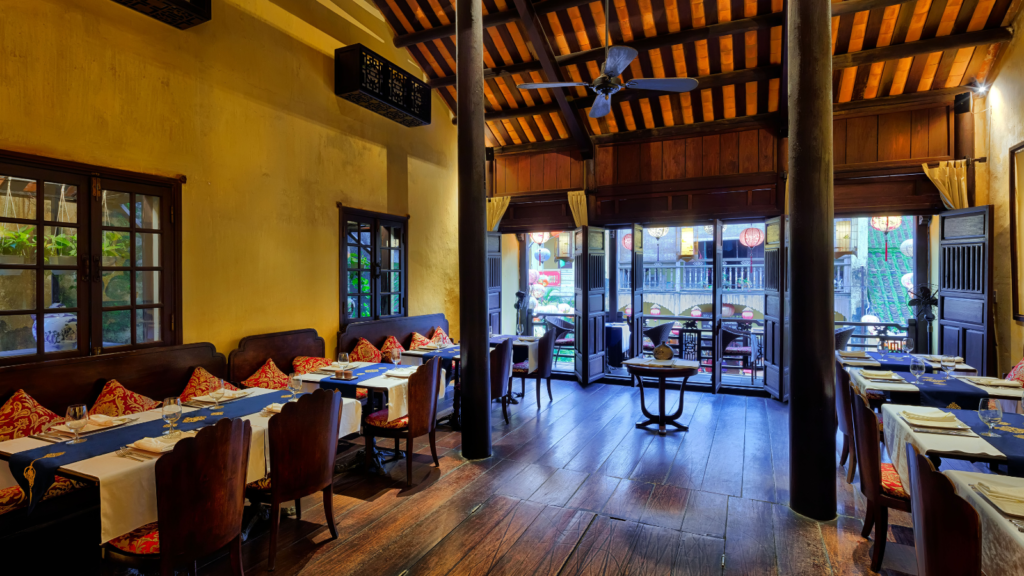
- Address: 16 Nguyen Thai Hoc Street
- Open daily from 10:00 AM to 10:00 PM.
If you are exploring Hoi An Ancient Town, be sure to stop by Little Faifo Restaurant and enjoy a bowl of Cao Lau.
Set inside a more than 200-year-old traditional house, the restaurant also features a second-floor balcony where you can admire views of the surrounding streets.
Enjoying a delicious bowl of Cao Lau here feels like stepping back in time to the golden days of Hoi An’s former trading port. The traditional setting, local flavors, and historic atmosphere come together to create a memorable dining experience.
Why not plan your visit to Hoi An Ancient Town and stop by to experience this distinctive dish, a true taste of the culinary heritage of Hoi An?
Cao Lau Thanh
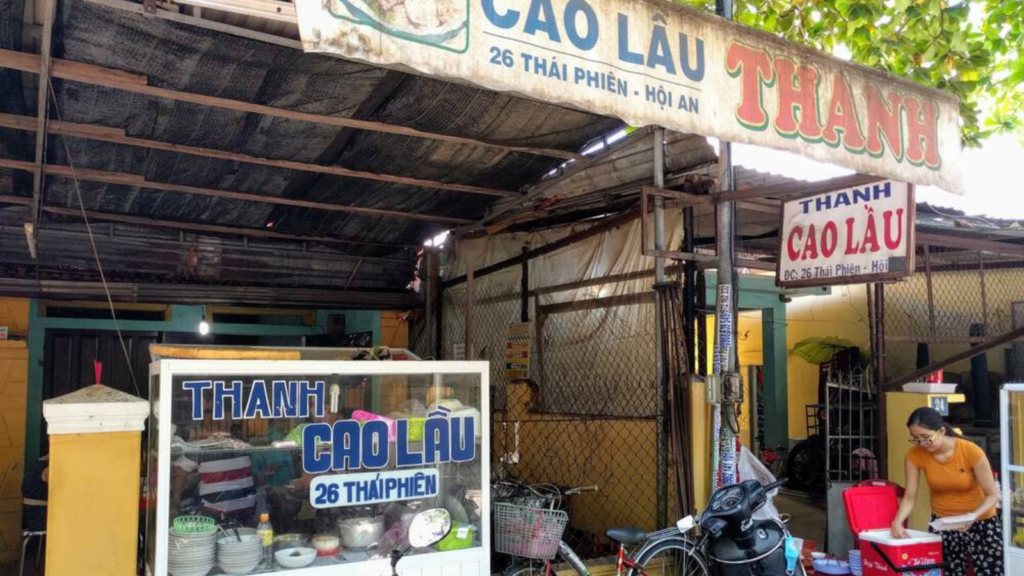
- Address: 26 Thai Phien Street
- Opening hours: 7:00 AM – 7:00 PM daily.
Tucked away in a quiet alley, Cao Lau Thanh is a local eatery where residents often come for a casual meal.
A full bowl of Cao Lau typically costs between VND 30,000 and VND 45,000, making it an affordable choice for those looking to experience a local favorite.
Ba Le Cao Lau Restaurant
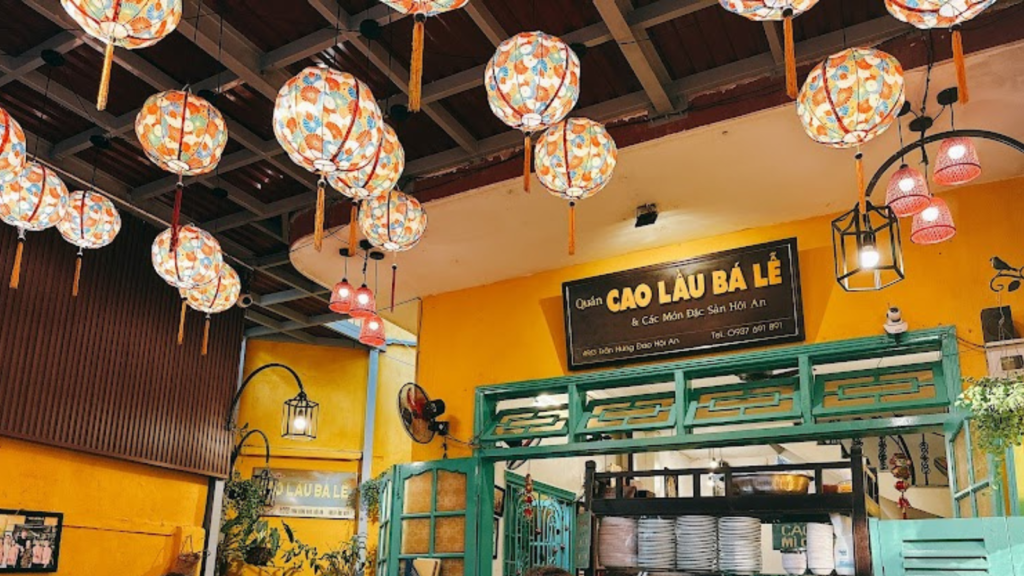
- Address: 49/3 Tran Hung Dao Street
- Opening hours: 8:00 AM – 9:30 PM daily.
Located near the historic Ba Le Well, Ba Le Cao Lau is a long-established eatery known for its traditional flavors.
With a diverse menu featuring a variety of dishes suitable for both adults and children, it can be a convenient dining option for visitors traveling with family.
After hundreds of years, Cao Lau remains a dish that embodies the rich cultural heritage and deep-rooted history of Hoi An. If you have the chance to visit this charming town, be sure to take time to wander through its moss-covered streets and savor a delicious bowl of Cao Lau noodles, allowing yourself to experience the timeless cultural beauty of Hoi An.
To make your journey even more memorable, consider staying at Little Hoi An. A Boutique Hotel & Spa or Little Residence. A Boutique Hotel & Spa, both part of Little Hoi An Group and located just a 5-minute walk from Hoi An Ancient Town.
Start planning your Hoi An getaway today and immerse yourself in the flavors, stories, and timeless charm of this heritage town.